Transform Your Outdoor Space: Expert Landscaping Tips for a Stunning Home Garden
Turning an outdoor space into a beautiful residential landscape requires careful planning and deliberate action. By assessing the characteristics of a yard, residents can establish specific landscaping goals. Selecting vegetation that suit the regional conditions is essential. Furthermore, integrating functional hardscaping elements improves both visual appeal and practical function. Yet, the process doesn't conclude there. Learning how to sustain vibrancy and environmental health can bring any garden higher. Which methods ensure long-term success?
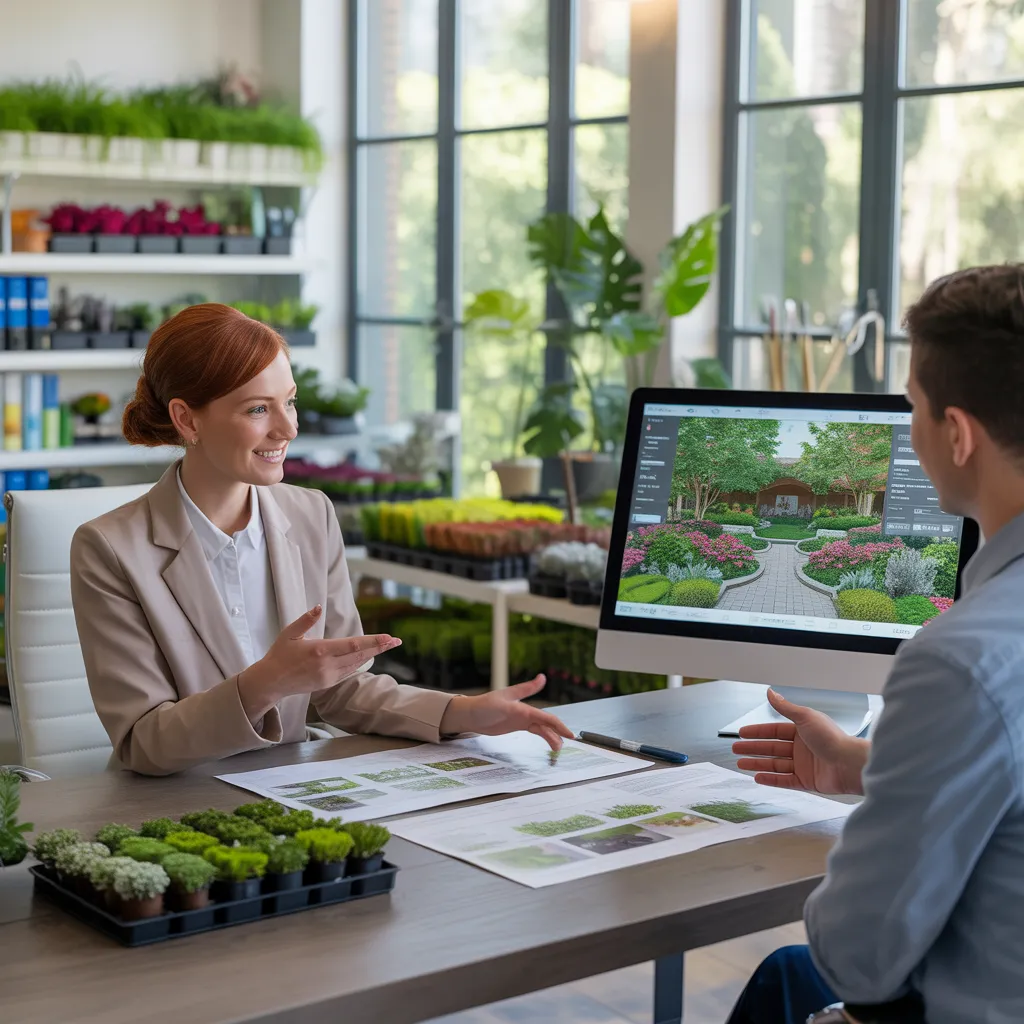
Evaluate Your Outdoor Area to Establish Your Garden Objectives
Before starting on any garden work, it is essential for property owners to assess their exterior environment thoroughly. This initial evaluation allows them to understand the distinct features of their property, such as sunlight exposure, soil quality, and current plants. Identifying these factors helps in deciding which design elements and features can be successfully incorporated into the area.
Homeowners should record dimensions and document any obstacles such as vegetation, fences, or pathways that could influence the design. Furthermore, recognizing individual tastes and lifestyle needs—such as entertainment areas, gardening, or leisure—can direct the landscaping goals. By clearly defining these objectives, property owners set a strong foundation for a unified and practical outdoor environment. This thoughtful assessment results in a greater and satisfying landscaping project, ensuring the exterior environment enhances not only the property's visual appeal but furthermore fulfills the practical needs of its residents.
Choose the Right Vegetation for Your Regional Conditions
Determining ideal vegetation for a specific climate is vital for creating a thriving outdoor space. Understanding local weather patterns, such as temperature ranges, rainfall, and moisture levels, supports property owners select vegetation that will thrive. Native plants typically adjust most effectively, requiring minimal upkeep and irrigation. For instance, drought-resistant varieties are perfect for arid regions, whereas water-preferring plants thrive in moisture-rich environments.
Gardeners should further take into account seasonal changes; selecting plants that provide year-round interest improves the landscape. Early bloomers, warm-season vegetation, and colorful autumn leaves can develop a striking visual display. Additionally, consulting neighborhood nurseries or extension services can provide valuable insights into hardy plant varieties suited to particular regions.
Ultimately, a strategically designed plant selection not only improves visual appeal but also promotes native fauna and promotes environmental sustainability, making it a wise choice for every outdoor space transformation.
Transform Your Garden With Functional Hardscaping Components
Functional hardscaping elements serve as vital components in structuring exterior environments and enhancing their usability. By incorporating seating areas and well-designed pathways, homeowners can create appealing outdoor areas that encourage leisure and circulation. Additionally, borders can help delineate different zones within the garden, establishing layout and visual interest.
Establish Your Outdoor Setting
Creating a strategically planned outdoor space can transform a garden into an welcoming retreat. One reliable technique to achieve this is through practical landscape features, which establish structure and arrangement. Pathways made from brick or stone guide visitors while boosting visual appeal. Retaining barriers can create terraced heights, improving the landscape's visual impact and preventing soil degradation. Fencing or trellises can establish boundaries, providing privacy and a feeling of privacy. Adding elevated planting zones not only defines planting areas but also makes them more accessible. These elements function in unison to form separate areas that enhance both aesthetics and functionality. Ultimately, a clearly structured outdoor space creates a tranquil setting where homeowners can relax and enjoy nature.
Include Sitting Spaces
Incorporating sitting zones into an exterior environment greatly enhances its usability and attractiveness. By integrating functional hardscaping elements, homeowners can establish welcoming areas for relaxation, socializing, or enjoying nature. Options include benches, patio sets, or hammocks, each contributing to the garden's aesthetic and comfort. Strategically placing seating near key areas like garden displays or fountains, prompts visitors to interact with their environment. Additionally, using materials like stone or wood can match the landscape's style, ensuring a cohesive look. Overhead coverings, such as arbors or parasols, offer relief during warmer months, ensuring these spaces are functional year-round. Ultimately, well-designed seating areas convert a standard yard into a pleasant sanctuary for family and friends.
Create Pathways And Edges
Pathways and borders are important features in garden design, leading people through your garden while reinforcing its structural value. These establish order and movement, supporting the recognition of separate zones and vegetation types. Stone, gravel, or brick materials can create solid routes, whereas natural borders from plants or decorative dividers enhance attractiveness. Pathways can inspire exploration, showcasing key areas like flower displays or fountain features. Well-designed borders reduce weed spread and soil loss, boosting garden strength. In summary, adding pathways and borders improves functionality and enhances stylistic beauty to your landscape, transforming locations into more inviting and pleasant settings.
Create Movement With Pathways and Sitting Spaces
A well-planned garden setting typically includes a balanced circulation established through deliberately situated walkways and rest zones. Walkways direct guests across the garden, providing a definite sense of orientation while enriching the general visual quality. Selecting options such as wood, stone, or gravel can add to the walkway's aesthetic value and ensure longevity.
Seating areas provide rest points, inviting guests to pause and appreciate the surroundings. Strategically positioning seating near focal points, such as a fountain or a flower bed, encourages interaction with the landscape. The choice of seating—benches, chairs, or even hammocks—can influence the atmosphere, whether it be casual or formal.
Combining walkways and sitting spaces generates a warm environment, upgrading utility and contentment. In tandem, they construct a smooth flow between distinct areas of the garden, stimulating exploration and rest, ultimately reshaping any exterior setting into a calm escape.
Infuse Your Garden With Seasonal Color and Texture
To strengthen the visual attractiveness of a landscape, deliberate curation of seasonal plantings is essential. Blending diverse textural characteristics can introduce layers and fascination, meanwhile deliberately arranged focal areas can command views and forge a balanced plan. Each feature together ensure a vibrant and dynamic garden environment during the entire year.
Pick Time-Based Plants Deliberately
Selecting seasonal plants thoughtfully can reshape your garden into a colorful and textured paradise. By opting for plants with varied blooming seasons, gardeners can ensure a perpetual floral display. Spring bulbs, summer annuals, autumn perennials, and winter evergreens each provide distinctive colors and silhouettes to the landscape. It is essential to take into account area-specific climate and soil characteristics, as well as the plants' development requirements. Local native plants often flourish with reduced upkeep needs, enhancing biodiversity. Additionally, combining plants with varying heights and bloom times can create a dynamic visual effect. Ultimately, thoughtful selection fosters a landscape that transforms seasonally, offering a delightful experience year-round.
Establish Textured Layers To Generate Dimensional Appeal
Creating depth in a garden involves layering textures that complement and enhance seasonal color. By incorporating a variety of plants with differing foliage shapes, sizes, and colors, one can achieve a visually dynamic landscape. For instance, the use of broad-leaved plants alongside fine-textured grasses can establish visual interest and appeal. Additionally, adding tree bark, rocks, and organic elements adds tactile elements that improve the complete landscape. Seasonal blooms should be thoughtfully placed to deliver splashes of color all year long, guaranteeing continued visual appeal. This thoughtful arrangement not only guides your gaze through the landscape but also fosters an immersive atmosphere where every detail contributes to the garden's beauty and harmony.
Use Focal Points Strategically
Deliberately placing visual focal elements can markedly enhance a garden's aesthetic appeal and seasonal vibrancy. These focal points serve as anchors that draw the eye and create a cohesive design. Gardeners can employ elements such as sculptures, ornamental trees, or vibrant flower beds to establish visual interest. Seasonal color can be integrated through the mindful selection of plants with staggered flowering read the full story maintaining the garden's vibrancy across all seasons. Textures also prove essential; combining smooth stone paths with rough bark or lush foliage adds depth. By thoughtfully placing these elements, a gardener can foster a welcoming space that prompts discovery and delight, turning a garden into an enticing escape.
Embrace Sustainable Strategies to Establish a Flourishing Garden
Embracing eco-friendly practices is important for cultivating a vibrant garden that excels in harmony with the ecosystem. Gardeners are encouraged to employ native plants, which need less irrigation and care while boosting regional creatures. Implementing natural growing methods, such as nutrient recycling and biological pest control, can considerably reduce chemical inputs, encouraging a healthier environment.
Water-saving approaches, like targeted watering systems and rain capture, optimize environmental responsibility by optimizing resource use. Applying mulch maintains water plus reduces invasive vegetation, reducing the requirement for chemical weed control. Also, supporting biodiversity by integrating a variety of plants encourages resilience against pest infestations as well as pathogens.
Soil quality is vital; practices including sequential planting and soil-covering plants keep nutrient balance excluding artificial nutrients. By utilizing such green strategies, plant growers can establish a thriving garden supporting both plants and the natural world, resulting in a more rewarding gardening pleasure.
Resolve Frequent Problems to Sustain Continuous Garden Aesthetics
A well-maintained garden can encounter multiple difficulties year-round, altering its overall aesthetics and condition. Common issues consist of pest issues, lacking minerals, along with insufficient water. Identifying pests quickly is vital; gardeners should routinely examine foliage for visible harm and manage pest issues using organic solutions or instead incorporating helpful insects.
Insufficient nutrients frequently display as yellow foliage along with stunted growth. Performing soil analysis can allow pin down distinct needs, making possible to enable focused fertilization to bring back stability. Moreover, guaranteeing proper irrigation is vital; over-irrigation can result in root decay, while too little water challenges vegetation.
Seasonal changes also necessitate modifications to maintenance. Throughout winter, using mulch protects root areas from ice, whereas the summer season can call for more water and shaded areas for tender plants. By tackling such frequent challenges promptly
Is it Better to Handle Landscaping Myself or Engage a Expert?
You can certainly complete garden work independently, utilizing internet information and imagination. Yet, employing a specialist guarantees skill, speed, and better outcomes, particularly for intricate layouts or bigger undertakings that need advanced techniques.
What Tools Do You Should Have for Home Landscaping?
Essential items for residential landscaping include a garden rake, spade, spade, pruning scissors, garden cultivator, and a hose or sprinkler can. These implements enable efficiently maintain dirt, vegetation, and overall garden maintenance, providing effective landscaping.
How Do I Preserve My Garden Area Over the Seasons?
If you want to maintain a garden all year long, frequently shaping vegetation is critical, spreading wood mulch for temperature control is vital, tracking hydration levels is vital, and applying seasonal planting plans is advisable. Moreover, pest control and nutrient application are necessary for vibrant, healthy growth.